Wildfire can feel like a distant threat until a windy afternoon reminds you how fast conditions can change along the Front Range. If you live in Castle Rock or Sedalia, creating defensible space is one of the most effective ways to lower your home’s risk from embers and fast-moving grass or brush fire. In this guide, you will learn a simple, zone-by-zone plan, how to manage Gambel oak safely, and which upgrades make the biggest impact for homes in Douglas County. Let’s dive in.
Why defensible space matters here
Castle Rock and Sedalia sit in the Colorado Front Range wildland urban interface. Homes are often tucked among grasslands, ponderosa pine, and dense Gambel oak thickets. This mix creates continuous fuels that can carry fire across the ground and up into tree canopies.
Wind events can drive ember showers far ahead of flames, and steep slopes can push fire uphill toward structures. The most practical takeaway is simple. Pair home hardening with defensible space that interrupts fuel continuity, with special attention to Gambel oak near your home.
The defensible space zones
Start closest to the house and work outward. Actions nearest the structure provide the biggest risk reduction.
Zone A: 0–5 feet immediate
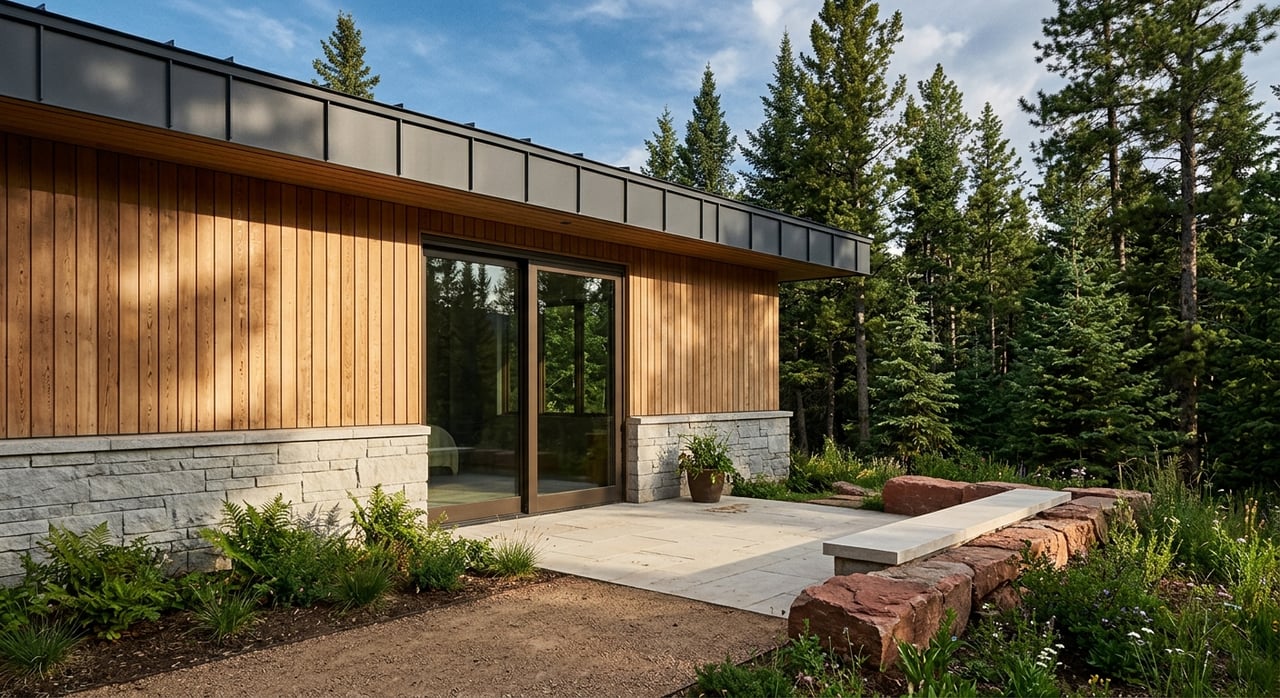
- Keep this area noncombustible. Use rock or hardscape instead of bark mulch, or maintain irrigated, low-growing plants.
- Clear leaves and needles from roofs, decks, eaves, and gutters. Consider metal or ember-resistant gutters and guards.
- Remove combustible items. Move firewood, propane tanks, and cushions well away. Firewood is best stored 30 feet or more from structures.
Zone B: 5–30 feet intermediate
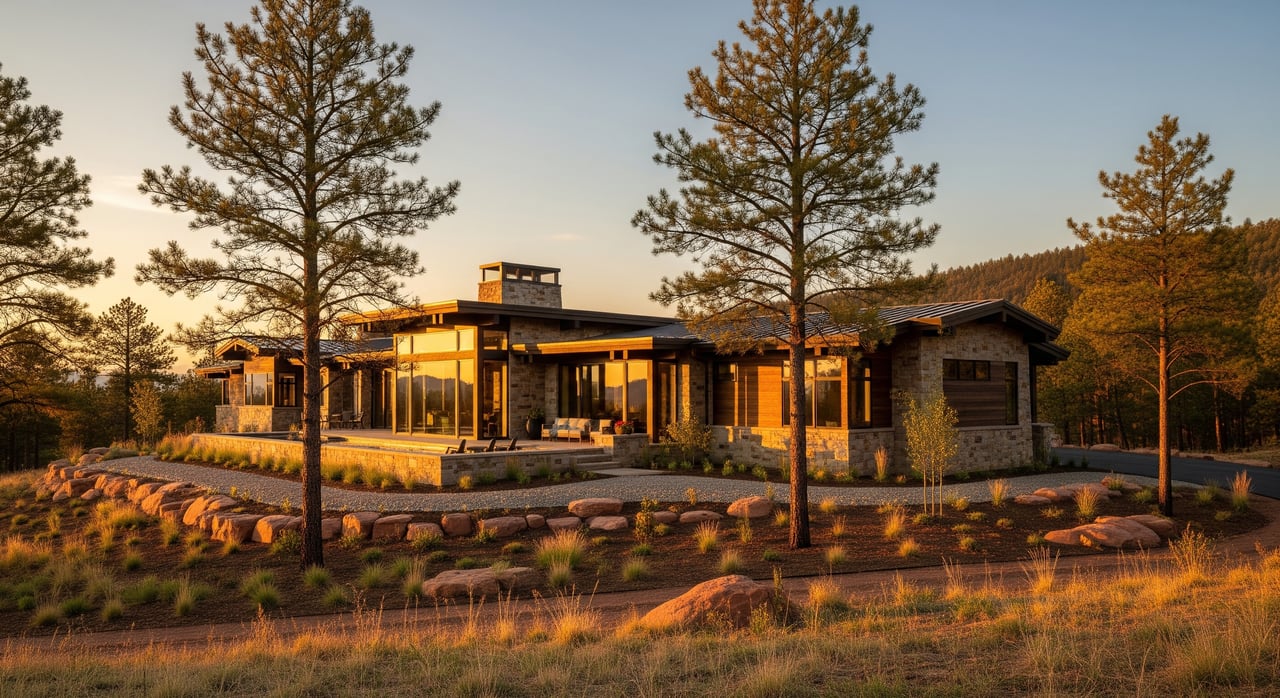
- Break up continuous fuels. Space shrubs and trees into distinct islands separated by lawn, rock, or bare mineral soil.
- Prune ladder fuels. Remove lower tree branches 6–10 feet from the ground, or up to one-third of the live crown height.
- Manage Gambel oak aggressively here. Remove dead material and convert dense thickets to small, separated clumps.
Zone C: 30–100+ feet extended
- Thin and separate fuels to slow fire. Maintain spacing between tree crowns and remove ladder fuels.
- On downhill slopes, extend treatments beyond 100 feet, since fire moves uphill quickly.
- Create fuel breaks along long driveways and access roads to support safe ingress and egress.
Annual maintenance
Plan a quick reassessment each late spring or early summer. Remove new deadfall, clean gutters, and mow or trim grasses before they cure. Expect Gambel oak to resprout and schedule follow-up every 1–3 years depending on growth.
Managing Gambel oak safely
What makes oak tricky
Gambel oak resprouts vigorously from root crowns after cutting or fire. Single treatments rarely provide long-term control. Without follow-up, cut stands can return as even denser thickets that reconnect ground fuels to tree canopies.
Choose a method that fits your site
- Mechanical cutting and mowing. Cutting to ground level reduces immediate vertical fuel, but resprouting is common. Repeated mowing over several seasons can suppress regrowth.
- Mastication. Grinding brush reduces ladder fuels and leaves chips on site. It can be cost-effective, especially on steep ground, but follow-up is still needed to address resprouting.
- Grubbing. Excavating roots can reduce resprouting but may be costly and can increase erosion. Use selectively where soil disturbance is manageable.
- Chemical stump treatments. After cutting, licensed applicators often treat stumps with approved formulations to inhibit resprouting. Always follow product labels and local regulations, and consider hiring a licensed applicator for accuracy and safety.
- Prescribed fire. This tool is not appropriate next to homes for most homeowners. It requires experienced professionals, permits, and coordination with fire authorities.
Create oak islands
You do not have to clear all oak. Converting continuous thickets into small, widely spaced islands reduces fuel continuity while maintaining some visual screening and habitat value. Separate islands with rock, lawn, or low-flammability landscaping.
Erosion and habitat tradeoffs
Large-scale removal on slopes can increase runoff and erosion. Pair treatments with erosion control, mulch, and reseeding with suitable native grasses. Be mindful of bird nesting seasons and avoid work during high fire danger or red flag conditions.
Harden your home exterior
Defensible space works best when paired with ignition-resistant building features. Focus on components that most often catch embers.
- Roofs. Use Class A roofing such as asphalt fiberglass shingles, metal, or tile.
- Vents and eaves. Install ember-resistant vents with corrosion-resistant metal mesh. Screen soffits and eaves to block ember entry while maintaining airflow.
- Siding and walls. Favor noncombustible or ignition-resistant materials like stucco, fiber cement, or masonry. Seal gaps and joints if any combustible materials remain.
- Windows and glazing. Dual-pane or tempered glass performs better under heat. Consider shutters or ember-resistant coverings for vulnerable windows where feasible.
- Decks and attachments. Use noncombustible deck surfaces when possible. Keep the area under decks clear and enclose undersides with fire-resistant skirting or screening.
- Gutters and debris. Choose metal gutters or guards and keep them clean.
- Landscaping materials. Use noncombustible hardscape nearest the home. Select low flammability, drought-tolerant plants and maintain irrigation.
- Fencing. Use metal or noncombustible sections where fences attach to the house to avoid fire transfer.
Local help and cost share
Douglas County, state agencies, and local fire districts often coordinate resources that reduce homeowner costs and make projects easier to execute.
Programs to look for
- Free or subsidized chipping days. Residents can remove brush and set out piles according to program rules for scheduled pickup.
- Cost-share grants. Funding through county or state partners can help offset fuels treatments for individual homes or HOA projects.
- Technical assistance. Home wildfire risk assessments from local fire districts, county wildfire staff, or state foresters can provide a prioritized action plan.
Availability and schedules change often. Check Douglas County wildfire mitigation pages and local fire district announcements for current offerings and application windows.
How to start, step by step
- Request a home wildfire risk assessment from your local fire department, county mitigation office, or a state forester. Many are free or low cost.
- Use the zone framework to prioritize work. Start with the immediate 0–5 feet and your roof and gutters.
- Look up current chipping events and cost-share opportunities. Apply early since slots fill fast.
- For heavy work like mastication, stump treatments, or steep-slope projects, solicit at least three licensed contractors. Verify insurance and references.
- Obtain permits as required for open burning, machinery use, or seasonal restrictions. Coordinate with your local fire district.
Hiring contractors and staying safe
- Ask for proof of insurance and a written scope of work that defines slash disposal, erosion control, and follow-up treatments.
- For chemical stump treatments, hire a licensed pesticide applicator and insist on label-compliant applications.
- Use personal protective equipment if you perform any work yourself and avoid high fire danger days.
Insurance and documentation
Defensible space and hardening can affect underwriting and claims. Document your work with photos, assessment reports, and invoices. Share major mitigation improvements with your insurance agent so your file reflects the reduced risk.
A simple one-week action plan
- Day 1: Walk your property with this guide. List tasks in Zone A, B, and C. Take photos before work starts.
- Day 2: Clear the 0–5 foot zone. Remove mulch, move combustibles, and blow off roofs and gutters.
- Day 3: Prune ladder fuels in Zone B. Space shrubs into islands and remove dead material.
- Day 4: Address Gambel oak near the house. Cut and separate into islands. Schedule follow-up or a licensed applicator if you plan stump treatments.
- Day 5: Tidy the under-deck area. Install skirting or screening if feasible.
- Day 6: Create or widen fuel breaks along the driveway. Mark any slope areas that may need erosion controls.
- Day 7: Schedule a home assessment, research chipping days, and line up contractors for any specialized work.
Preparing to sell in Castle Rock or Sedalia
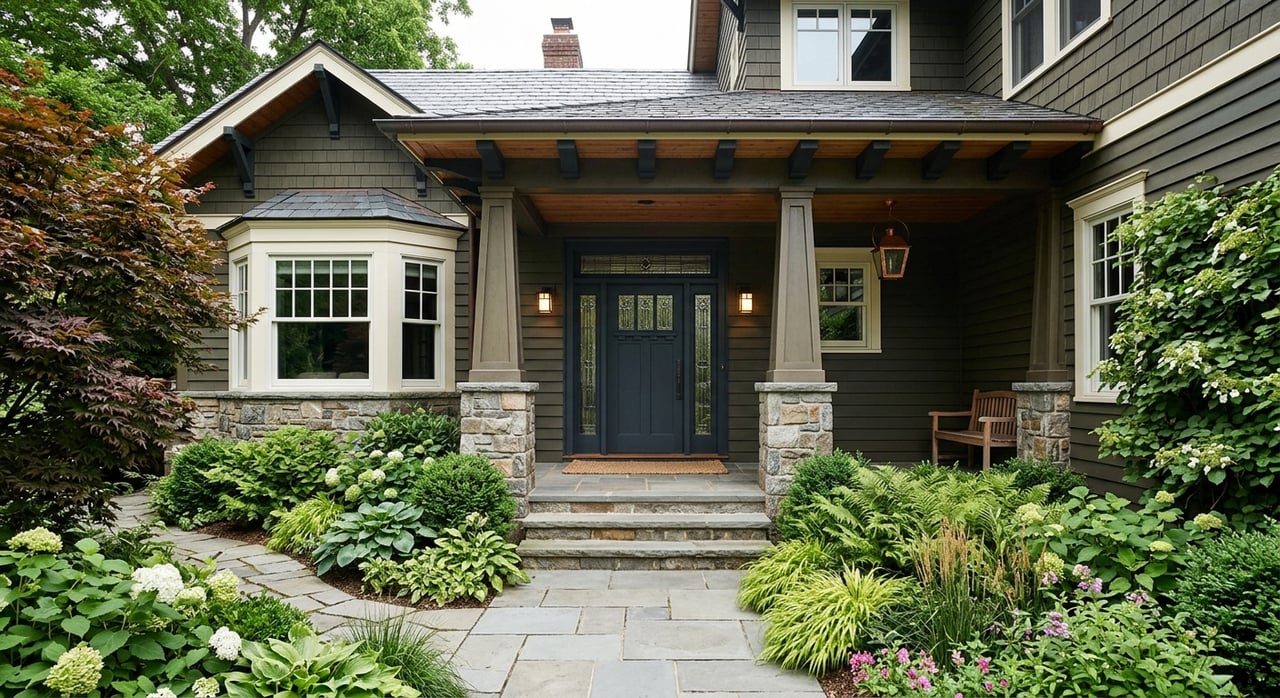
Well-planned defensible space can support a smoother sale by addressing insurance concerns and reducing buyer uncertainty. It also improves curb appeal with clean lines, smart plant spacing, and tidy hardscape near the entry. If you plan to list, prioritize the immediate zone, visible oak management, and documentation of recent mitigation. Share assessments, receipts, and photos so buyers see the work and value.
Ready to act with confidence?
If you want a practical plan tailored to your property and your next move, we are here to help you align mitigation with your real estate goals. For discreet guidance on preparing to sell or buy in the foothills, Request a Private Consultation with Unknown Company.
FAQs
How often should Castle Rock homeowners maintain defensible space?
- Plan an annual check in late spring or early summer and after major storms. Expect Gambel oak follow-up every 1–3 years due to resprouting.
What is the most important defensible space zone near a Sedalia home?
- The 0–5 foot zone is the highest priority. Keep it noncombustible, clean, and free of debris to reduce ember ignition.
How should I manage Gambel oak on my Douglas County property?
- Convert dense thickets into small islands, cut to ground level, and schedule follow-up. Use licensed applicators for stump treatments to limit resprouting.
Are chipping and mastication better than burning for slash disposal?
- Chipping and mastication reduce fuels without smoke and permit complexity. Burning may require permits and creates smoke impacts, so choose based on site and rules.
Where can I find grants or cost-share for mitigation in Castle Rock and Sedalia?
- Check Douglas County wildfire mitigation pages, your local fire district, and state forestry programs for current chipping events, assessments, and funding opportunities.