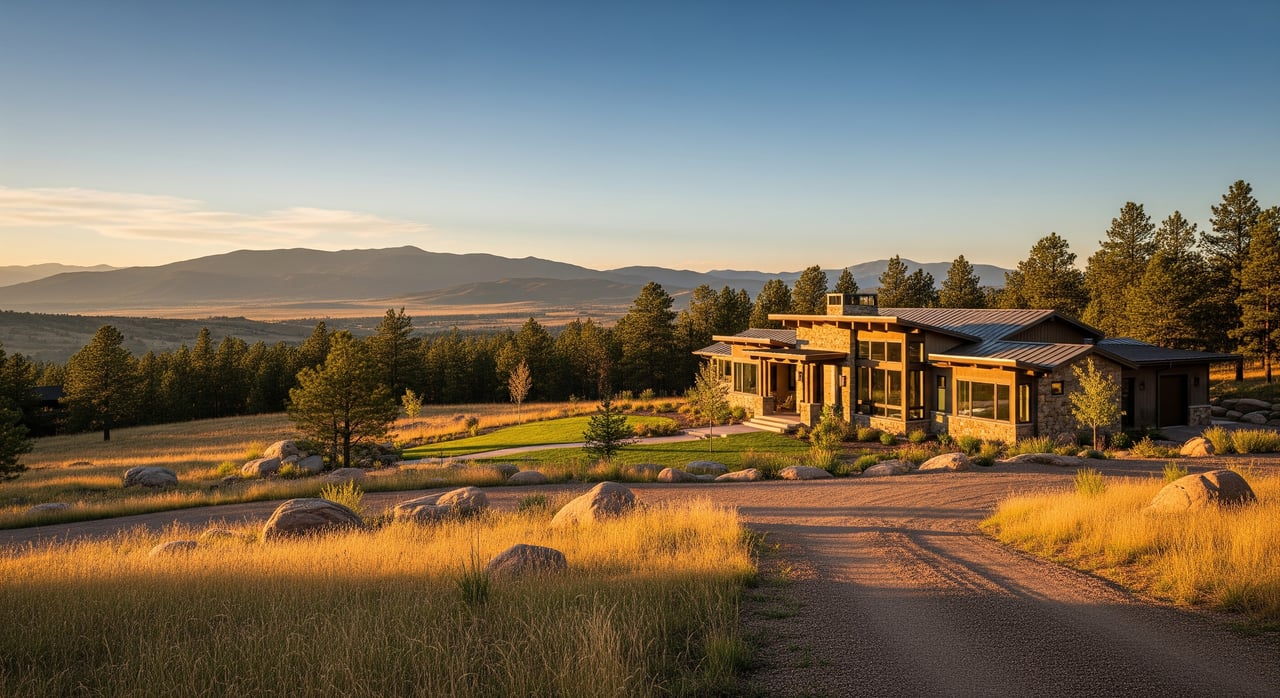
Dreaming about a custom home tucked into the foothills near Castle Rock, with room to breathe and mountain sunsets on repeat? If Sedalia is on your radar, you’re smart to plan ahead. Building on rural land in unincorporated Douglas County follows a different playbook than a suburban infill lot. In this guide, you’ll learn the exact steps, key approvals, and practical checks that protect your timeline and budget. Let’s dive in.
Why Sedalia land appeals
Sedalia offers privacy, acreage, and a true foothills setting just minutes from Castle Rock. Many parcels are unincorporated, which gives you flexibility but also puts more responsibility on you for water, wastewater, and access. Some lots already have utilities, while others require new well, septic, and utility extensions. The right plan helps you capture the lifestyle you want without surprises.
Who approves your build
Sedalia sits in unincorporated Douglas County, so most land use and building approvals run through county departments. You should expect to work with:
- Douglas County Community Development and Building Division for zoning, permits, and inspections.
- Colorado Division of Water Resources for well permits and water rights questions.
- Local fire protection districts for defensible space and driveway access standards.
- FEMA flood maps and environmental checks when a lot includes streams or mapped flood areas.
Step-by-step from search to keys
Step 0 - Plan and budget
Clarify your must-haves, like lot size, views, and proximity to services. Get pre-qualified for a land purchase and compare land-only loans with construction or construction-to-permanent options. Decide your comfort with private roads, well and septic, and longer utility runs.
Step 1 - Find property and quick checks
Confirm zoning and permitted uses with Douglas County early. Pull the assessor record, recorded plat, and any covenants tied to the parcel. Ask the seller for a survey, well and septic documentation if present, and any engineering reports. Verify legal access, including easements for private roads and driveways.
Step 2 - Due diligence and feasibility
Order a title commitment and review easements, CC&Rs, and any mineral reservations. Obtain a current boundary survey, and consider an ALTA/NSPS survey if you will finance. Confirm utility options and distance to electric, gas, and telecom service. For water, verify if an existing well serves the lot or whether a new well permit is feasible. For wastewater, schedule a soil and site evaluation to determine if a conventional or alternative septic design will work. Clarify whether the road is county maintained or private with a maintenance agreement. Ask the local fire district about defensible-space expectations and driveway standards.
Step 3 - Contract and specialists
Include contingencies for title, survey, well and septic feasibility, and financing. Engage a surveyor, septic designer or engineer, geotechnical engineer, architect, and a builder with rural Douglas County experience. Their early input prevents costly revisions later.
Step 4 - Secure financing
Compare a land loan followed by a construction loan with a single construction-to-permanent loan. Lenders typically want detailed plans, budgets, and an approved builder. Confirm the lender’s criteria for private wells and septic systems before you finalize your loan structure.
Step 5 - Design and approvals
Develop your site plan, house plans, grading and driveway plans, and septic design. Apply for your septic permit with Douglas County after the soil evaluation. If drilling a new well, apply for your well permit with the state. Submit your building permit and any related county permits, including grading and erosion control. Complete any required HOA or architectural reviews if the parcel is within a covenant community.
Step 6 - Site prep and utilities
Install erosion and sediment control per county expectations. Build or improve your driveway and obtain a driveway approach permit if you connect to a county road. Drill the well and construct the septic system after permits are issued. Coordinate trenching and utility extensions, including any transformer work or long runs that may add time.
Step 7 - Construction and inspections
Follow the county inspection schedule for foundation, framing, mechanicals, plumbing, electrical, and final. Keep documentation ready for lender draws if using a construction loan. In wildland-urban interface areas, confirm ignition-resistant materials and any special inspections.
Step 8 - Final approvals and occupancy
Obtain final approval for the septic system and ensure the well completion report is documented. Secure county final inspection and Certificate of Occupancy. If you have a construction loan, convert to your permanent mortgage after final approvals.
Water and wells in Sedalia
New wells in Colorado require a permit through the state. Feasibility depends on local hydrogeology, depth to water, and any restrictions. If a well exists, request recent well logs or pump tests and plan for water quality testing. Some parcels may lie within a water or special district with available taps and related fees. Confirm the provider early because water access drives both feasibility and financing.
Septic systems in Douglas County
Most rural Sedalia homes use on-site wastewater treatment systems. A soil and site evaluation informs the design and size of the system based on your planned bedrooms and fixtures. Conventional systems are common, but alternative engineered designs may be required on challenging soils or slopes. Allow weeks to months for permitting and installation, and keep final documentation for both lender and future resale.
Utilities, access, and roads
Electric service is available across Douglas County, but extension distances and transformer needs can affect cost and timing. Natural gas is not guaranteed on rural lots, so plan for propane if gas lines are not nearby. Internet options range from fiber in select areas to fixed wireless or satellite. Confirm whether your access is via a county road or a private road with a maintenance agreement. If you connect a driveway to a county road, you will need a driveway permit and may need engineered plans or culverts.
Zoning, codes, and fire safety
Douglas County zoning controls permitted uses, setbacks, and building envelopes. Building, grading, and erosion control permits run through the county. Many Sedalia parcels lie in the wildland-urban interface, which brings defensible-space expectations and ember-resistant features. Confirm driveway width and turnouts that support emergency vehicles, and speak with your insurer about mitigation requirements for coverage.
Environmental and geotechnical checks
Review FEMA floodplain maps and check for wetlands or streams that could require additional permits. On foothills lots, a geotechnical investigation is often required for foundation design. Watch for expansive clays, shallow bedrock, and steep slopes that can influence excavation, drainage, and structural plans. Plan for erosion and sediment control during construction.
Title, survey, and mineral rights
Order a title commitment and review all easements, pipeline or utility corridors, and recorded covenants. Consider a current boundary survey, and use an ALTA/NSPS survey for financed transactions when needed. In Colorado, mineral rights are often severed from the surface estate. Confirm the mineral status and understand any recorded provisions that may affect surface use.
Costs, financing, and timeline
Most buyers use either a land loan followed by a construction loan or a construction-to-permanent loan. Lenders often require proof of water access and permitted wastewater plans before closing on the permanent loan. Budget for categories like surveying and title insurance, engineering and geotechnical work, permits and impact or tap fees, well and septic, driveway and grading, utilities, and construction contingencies. Timelines vary, but plan for several weeks for permit reviews and months for drilling, septic installation, and utility work. Many rural builds take 12 to 24 months from purchase to move-in.
Quick due diligence checklist
- Confirm zoning and permitted uses with Douglas County Community Development.
- Order a title commitment and review easements, covenants, and mineral rights.
- Obtain a recent boundary survey; consider an ALTA survey if financing.
- Schedule soil and site evaluation for septic; request existing well records if present.
- Contact the state for well permitting feasibility if drilling a new well.
- Confirm access type, driveway approach needs, and road maintenance agreements.
- Identify electric, gas, and telecom providers and request extension estimates.
- Commission a geotechnical report where soils or slope are uncertain.
- Review FEMA flood maps and evaluate any wetlands or stream impacts.
- Speak with the local fire district about access and defensible space.
- Include contract contingencies for financing and well, septic, and permitability.
Red flags to watch
- No recorded legal access or unclear easements.
- Severed mineral rights with active or unclear subsurface interests.
- Lots within regulated floodplain or with wetlands that add complexity.
- Very steep slopes or heavy rock that drive excavation costs.
- Uncertain water availability or complicated water rights.
- Soils that preclude a conventional septic system.
Ready to explore Sedalia
If you are evaluating Sedalia or other Douglas County acreage near Castle Rock, a clear plan makes all the difference. From feasibility and permitting to builder selection and inspections, a local, detail-forward approach keeps your build on track. For tailored guidance and access to on and off-market opportunities, connect with Ashley Behrens to Request a Private Consultation.
FAQs
Can I drill a domestic well in Sedalia?
- New wells require a state permit, and feasibility depends on local hydrogeology and any restrictions, so confirm with the state and county early in due diligence.
What if my soil will not support a standard septic?
- Alternative engineered systems may be possible, but they require specialized design and permitting and can add time and cost, so plan ahead with a septic designer.
How long does a rural Sedalia build take?
- With due diligence, permitting, utilities, and construction, many rural builds take 12 to 24 months from land purchase to occupancy depending on complexity and weather.
Will I have natural gas and high-speed internet?
- Natural gas is not universal on rural lots and propane is common; internet options range from fiber in select areas to fixed wireless or satellite depending on location.
Do I need a permit for a driveway onto a county road?
- Yes, connecting to a county road typically requires a driveway approach permit and may require culverts or engineered plans, so confirm requirements before grading.
How do mineral rights affect a land purchase?
- Mineral rights are often severed in Colorado; review title to learn who owns them and whether recorded provisions could affect your planned surface use.
What inspections happen before move-in?
- County inspections usually include foundation, framing, mechanical, plumbing, electrical, and final, and your septic must pass and your well must have completion documentation.