If you love Littleton but feel torn between Main Street energy and a quieter foothills backdrop, you are not alone. Many buyers are choosing between two very different day-to-day lifestyles: one built around walkability, dining, and events, and another shaped by space, views, and outdoor access. The good news is that your best fit often becomes clear once you compare how you actually want to live, move, and spend your time. Let’s dive in.
Two Littleton lifestyles
Littleton offers more than one version of home. In the historic downtown core, daily life centers on Main Street, storefronts, patios, and a pedestrian-friendly setting. On the west and southwest side, the pattern shifts toward open space, larger lots, trail access, and a more car-dependent routine.
That difference matters because the right choice is not just about square footage or finishes. It is about whether you want your lifestyle to feel more social and walkable or more private and recreation-focused.
What downtown Littleton feels like
Downtown Littleton is the city’s historic Main Street core, and the city describes it as the most pedestrian-oriented part of Littleton. Buildings sit closer to the sidewalk, and the street scene is shaped by retail storefronts, restaurants, pubs, cultural venues, historic architecture, coffee shops, and sidewalk dining.
If you picture stepping out for coffee, meeting friends for dinner, or strolling to an event without much planning, downtown supports that rhythm. The official downtown district also highlights locally owned shops, dining, services, street parking, RTD lots, and light rail access.
The social calendar adds to that appeal. Recurring events like Wine Walks, the Main Street Block Party, Restaurant Week, the Farmers Market, and Chalk Art help downtown feel active and connected rather than quiet and tucked away.
Downtown may fit you if you want:
- Walkable access to dining, shops, and services
- Historic character and a lively street scene
- Community events close to home
- Easier access to light rail
- A lifestyle with fewer car trips for everyday outings
What foothills-style Littleton feels like
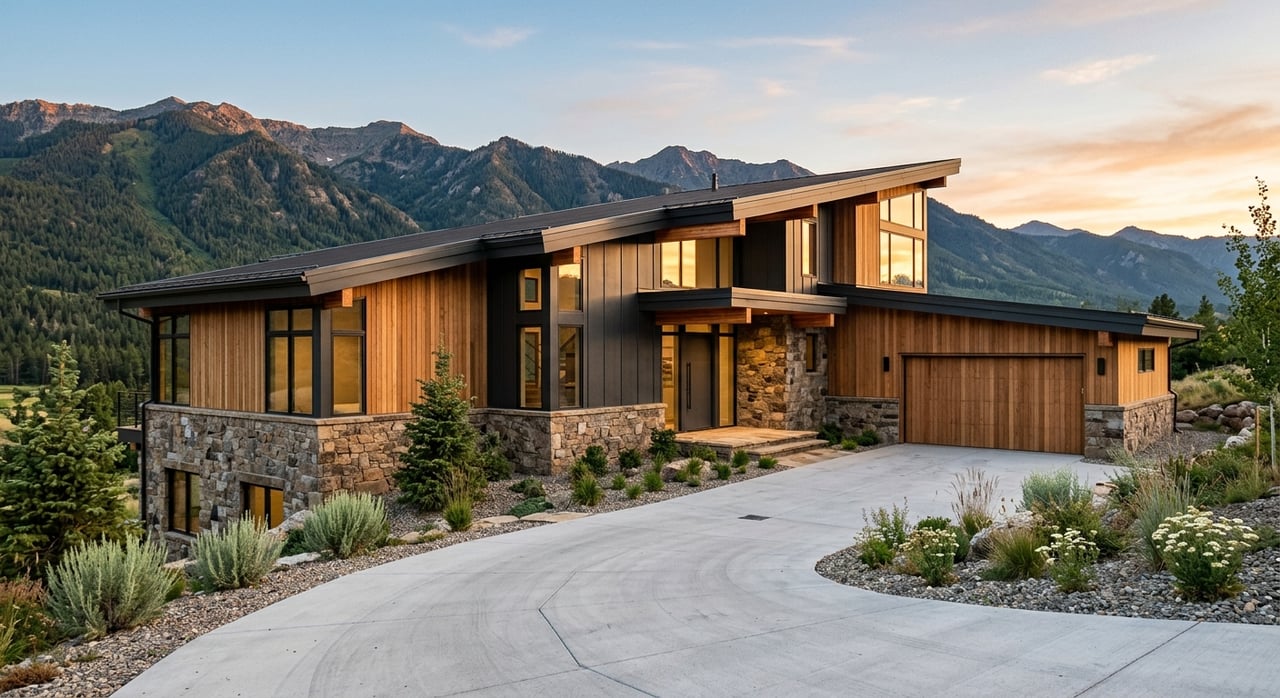
Foothills living is not an official city district, so it is best understood as Littleton’s west and southwest edge plus nearby foothills-adjacent areas where the pattern changes. In these areas, the city’s planning documents point to more open space, larger lots, and residential forms that feel less compact than downtown.
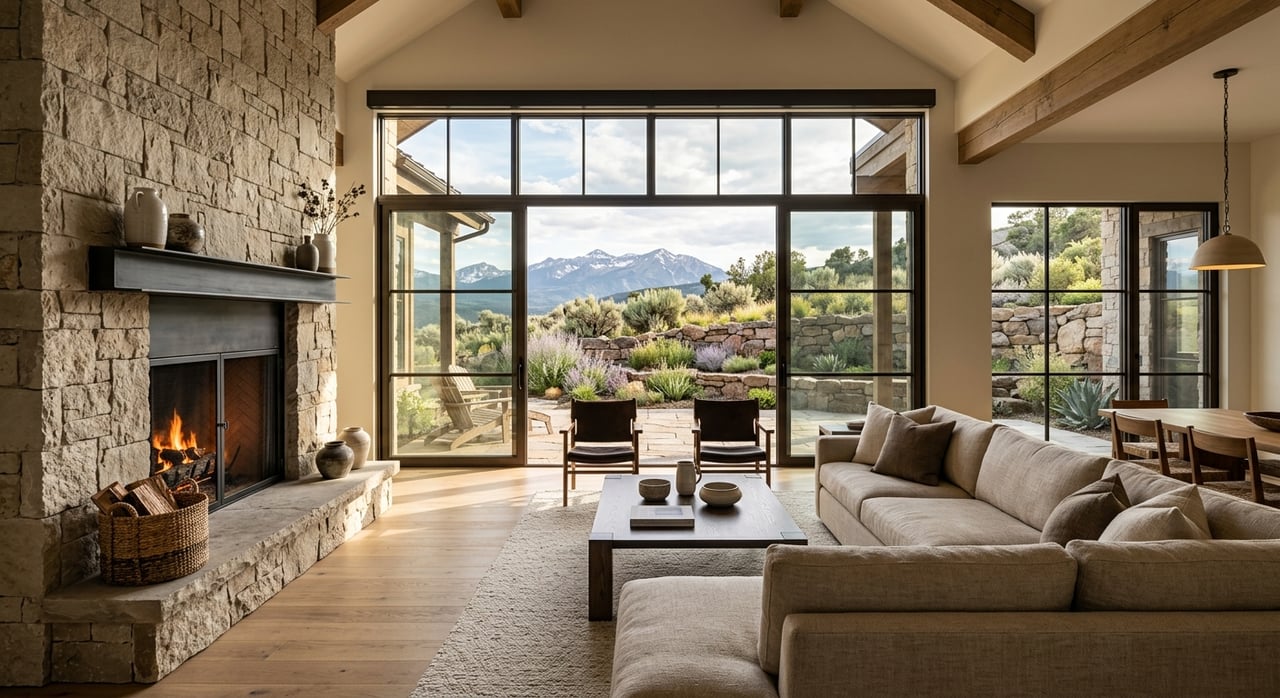
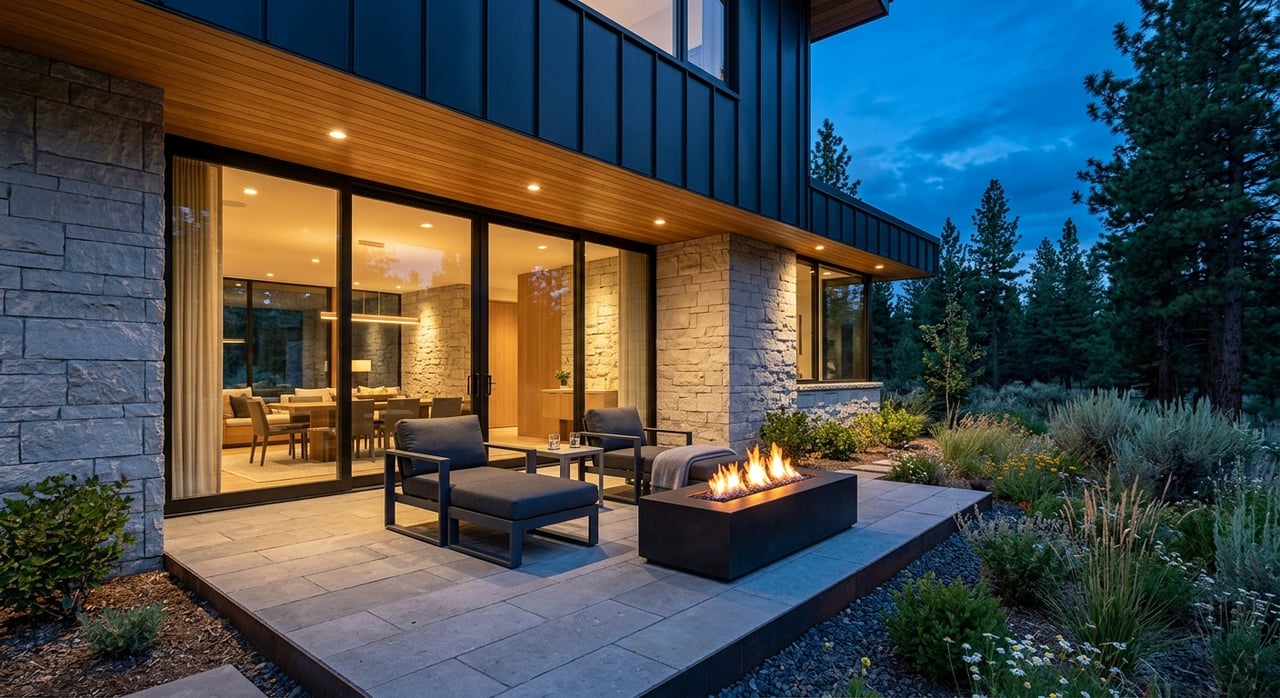
This side of the lifestyle conversation is usually about breathing room. You may find more privacy, larger yards, preserved views, and a quieter pace that feels centered on home and the outdoors rather than shops and patios.
Littleton also places a strong emphasis on parks, trails, open space, and greenway access. The city notes that it has more than 59 parks and open spaces, an active trail system, and easy access to the Rockies within 30 minutes, which helps explain why west-side and foothills-adjacent living appeals to buyers who want recreation woven into everyday life.
Foothills-style living may fit you if you want:
- Larger lots or more separation between homes
- Privacy and a quieter daily rhythm
- Proximity to parks, open space, and trailheads
- Views and outdoor recreation nearby
- A home base that feels more retreat-like
Compare your day-to-day routine
One of the easiest ways to choose is to think about your average Tuesday, not just your ideal Saturday. Your best location often depends on what you want daily life to feel like.
If you want to walk out your front door and decide between coffee, dinner, or an event, downtown usually wins. If you want more room, easier access to trails, and a calmer setting at the end of the day, foothills-style living often makes more sense.
Ask yourself these questions
- Do you want to walk to restaurants and local events often?
- Would you rather trade walkability for more lot space and privacy?
- How important is light rail access to your routine?
- Do you want daily life to feel more social or more tucked away?
- Are trails, parks, and open space a bigger priority than nearby retail?
Walkability versus driving
This is often the biggest lifestyle divider. Downtown Littleton is built for walking and short, simple trips, whether that means running an errand, meeting friends, or enjoying Main Street. The city also notes that Littleton has two light rail stations on RTD’s C and D lines, including Downtown Station at Alamo and Prince, which gives downtown a clear transit advantage.
On the west and southwest side, the residential pattern is generally more car-first. The city’s planning language describes more auto-oriented residential areas as places where the automobile is visually dominant, which helps explain why foothills-style areas tend to feel less walkable and more drive-dependent.
Neither option is better in every case. It depends on whether convenience means walking to dinner or driving home to more space and a quieter setting.
Home types you are more likely to find
Home style often follows the lifestyle pattern. In downtown Littleton, residential use may appear on upper floors in mixed-use buildings, and the city also notes that the core includes historic homes that remain residential as well as homes converted to shops, cafes, and offices.
In foothills-style areas, buyers are more likely to find detached single-family homes, townhomes or patio homes in planned developments, and larger estate-style lots where open space is preserved. That can appeal to buyers who want more separation, a stronger indoor-outdoor feel, or a setting that emphasizes privacy.
In simple terms:
- Downtown Littleton: mixed-use options, historic homes, and a more compact setting
- Foothills-style Littleton: detached homes, planned communities, and larger-lot potential
Outdoor access changes the equation
For many buyers, outdoor access is the deciding factor. If your weekends revolve around hiking, biking, paddling, horseback riding, or simply being closer to open landscapes, foothills-style living has a strong case.
Chatfield State Park in Littleton offers boating, water skiing, biking, hiking, horseback riding, camping, 32.8 miles of trails, and 197 campsites. Roxborough State Park adds about 3,413 acres, striking red rock formations, wildlife, and 15 miles of trails. Waterton Canyon, which begins Colorado Trail Segment 1, is accessible by foot, bicycle, or horseback and connects to the Roxborough State Park trail system and Indian Creek Trail.
That does not mean downtown buyers cannot enjoy the outdoors. It simply means buyers who want recreation to feel closer to home often lean west and southwest.
Historic energy versus quiet space
There is also an emotional side to this choice. Downtown Littleton offers historic character, pedestrian energy, and a sense of activity built around Main Street and the surrounding historic district.
Foothills-style living brings a different kind of appeal. It tends to feel more residential, more open, and more private, with the landscape playing a bigger role in the experience of home.
If you feel energized by people, patios, and events, downtown may feel like a natural match. If you recharge with views, yard space, and easier access to nature, the foothills side may feel more aligned with your pace.
A note about Littleton addresses
This is an important practical detail. The City of Littleton notes that many Littleton mailing addresses are outside the actual city limits, and the city boundary stretches far west into Jefferson County only in limited places, including TrailMark in the southwest corner.
That means if you are comparing downtown Littleton with a foothills-adjacent property, it is worth confirming whether the home is truly inside the City of Littleton or simply has a Littleton mailing address. That distinction can matter when you are evaluating location, services, and how a property is described.
How to make the right choice
If you are still deciding, start with lifestyle before features. A beautiful home will feel even better when the surrounding area supports how you want to live every day.
Choose downtown Littleton if you want walkability, restaurant access, historic character, community events, and the option to use light rail rather than driving for every outing. Choose foothills-style Littleton if you want larger lots, more privacy, more open space, stronger trail and park access, and a lifestyle that feels more recreation-first than retail-first.
The best answer is personal, but it does not have to be confusing. If you want a more tailored look at what fits your priorities in and around Littleton, Ashley Behrens can help you compare locations with a clear, local, advisor-first perspective.
FAQs
What is the main difference between downtown Littleton and foothills-style Littleton living?
- Downtown Littleton is the more walkable, social, and pedestrian-oriented option, while foothills-style Littleton is generally more focused on space, privacy, open land, and outdoor access.
Is downtown Littleton a good fit if you want a walkable lifestyle?
- Yes. The city describes downtown as the most pedestrian-oriented part of Littleton, and the area is known for shops, restaurants, services, events, and light rail access.
Is foothills living in Littleton an official city district?
- No. Foothills living is not an official city district in Littleton documents. It is a useful way to describe the west and southwest edge of Littleton and nearby foothills-adjacent areas where the development pattern shifts toward more open space and larger lots.
What types of homes are common in downtown Littleton versus foothills-style areas?
- Downtown is more likely to include mixed-use residential options and historic homes, while foothills-style areas are more likely to include detached single-family homes, townhomes or patio homes, and larger estate-style lots.
Does downtown Littleton have better transit access than foothills-style areas?
- Yes. Downtown has a clearer transit advantage because Littleton has light rail service, including the Downtown Station at Alamo and Prince, while west and southwest residential areas are generally more car-dependent.
Are all Littleton mailing addresses inside the City of Littleton?
- No. The city states that many properties with a Littleton mailing address are outside the actual city limits, so it is important to verify whether a specific address is truly within the City of Littleton.