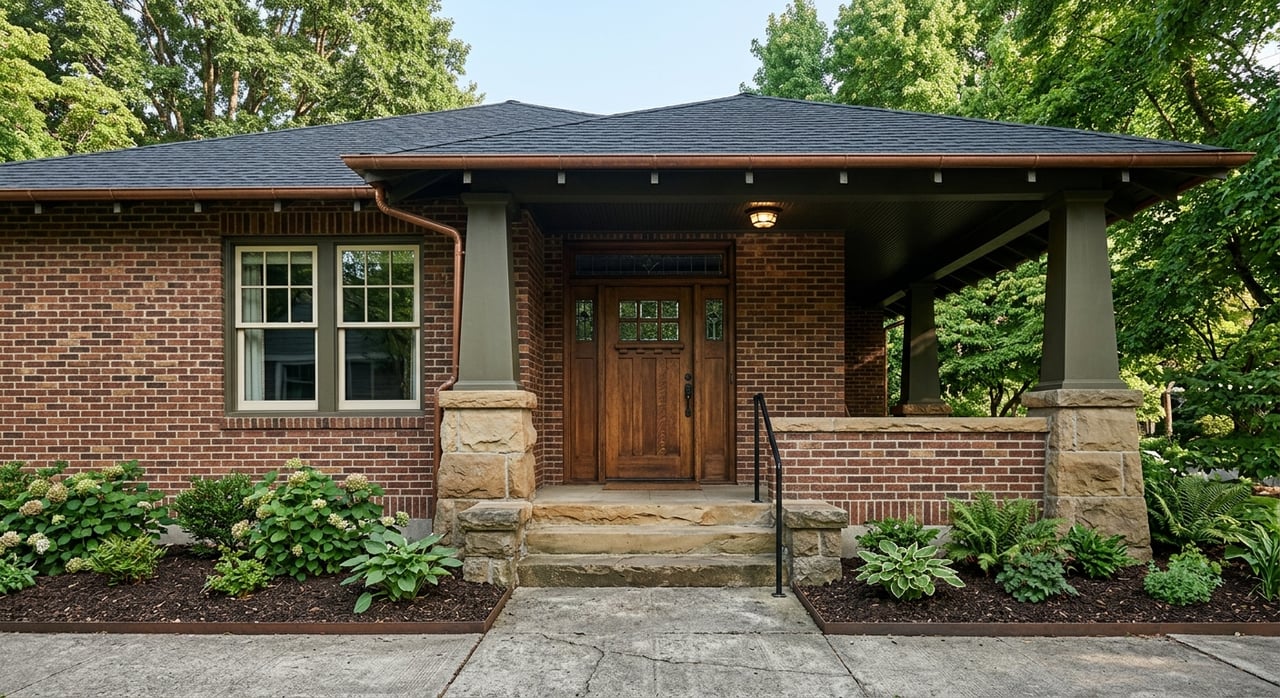
You can almost feel the history on Main Street in Downtown Littleton. Brick storefronts, cozy porches, and classic bungalow details create a sense of place you will not find in a new build. If you are drawn to that character, you also want clarity about inspections, approvals, and smart renovation planning. This guide gives you the essentials to buy with confidence, preserve what matters, and plan updates that fit Littleton’s rules and your budget. Let’s dive in.
Littleton’s historic character at a glance
Downtown Littleton includes a locally designated Main Street Historic District that is also on the National Register of Historic Places. The city’s design guidelines outline the look and feel of the district, including brick storefronts, large display windows, and vertically proportioned upper-floor windows, as well as nearby civic buildings and former residences close to Main Street. You can review the district’s character and guidance in the city’s Downtown Littleton Historic District document.
Just west and south of Downtown, Littleton also has the locally designated Louthan Heights Historic District. It is known for early 20th century homes, including bungalows and Craftsman styles with generous porches and simple rooflines. See the city’s Louthan Heights Historic District overview for a summary.
Character-defining features you may see around Downtown and nearby residential pockets include:
- Brick or masonry facades with detailed cornices and parapets
- Large first-floor display windows on commercial buildings
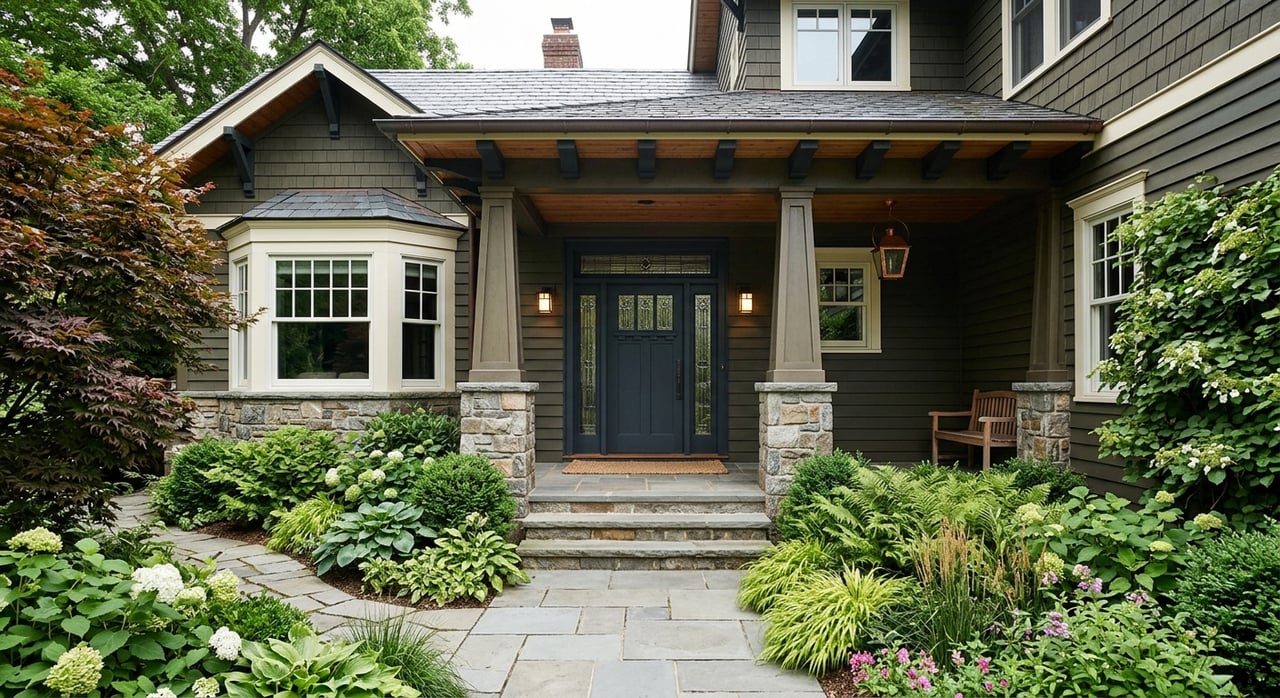
- Bungalows and Craftsman homes with raised porches, exposed rafter tails, and gabled roofs
- Foursquare and early 1900s vernacular forms with simple, balanced massing
Confirm historic status before you bid
Before you write an offer, confirm whether the property is a designated landmark or inside a local historic district. This affects what exterior work needs review and how you plan renovations. Start with the City of Littleton’s Historic Preservation page, then ask your agent to request any seller records for prior approvals.
If the home has a history of design review, ask for Certificates of Appropriateness (COAs), building permits, and plans. These documents help you understand past work, which materials were approved, and how to approach future updates.
Inspections that matter for older homes
Older Littleton homes often blend original materials with later upgrades. A standard home inspection is a must, but you should plan a few targeted checks to protect your budget.
Structure and water first
Foundation settlement, cracking, poor drainage, and basement or crawlspace moisture are common issues in older homes. Water is the enemy of long-term durability, so inspect gutters, downspouts, grading, and flashing. For masonry buildings, ask whether any repointing followed established best practices. Guidance for compatible mortar mixes is summarized in an NPS brief referenced here: Preservation Brief on repointing historic masonry.
Roofs, gutters, and porches
Review the roof covering and flashing, and look closely at porch framing and posts. In Colorado, ice dams can form if insulation and ventilation are inadequate. Addressing these issues early helps prevent interior leaks and exterior deterioration.
Masonry, stucco, and windows
Original brick, stucco, and wood windows often define a historic home’s character. Many preservation programs and the National Park Service recommend repair and weather-stripping of wood windows before considering replacement. If the home is designated or inside a district, window, storefront, or masonry work may require design review. Explore relevant guidance in the NPS’s Preservation by Topic resources.
Electrical, plumbing, and HVAC
Legacy systems are common in pre-1950 homes. You may encounter older wiring or panels, or galvanized and cast-iron plumbing. A sewer-scope video can catch root intrusion or collapsed sections in the private lateral. For heating and cooling, select solutions that minimize impact to historic materials. Targeted or ductless approaches are often considered in preservation planning.
Lead paint, asbestos, and radon
Homes built before 1978 should be approached as if lead-based paint is present unless testing confirms otherwise. Renovation work in pre-1978 housing must follow the EPA’s Renovation, Repair and Painting Rule. Learn the basics of required lead-safe practices in the EPA’s RRP summary.
Colorado has broadly elevated radon potential. Testing is inexpensive and mitigation is effective in the Denver metro. The EPA provides an overview of radon zones here: EPA map of radon zones. Plan a radon test during your inspection period and budget for mitigation if readings exceed the action level.
Plan renovations in the right order
A solid sequence will save you time and money.
- Stop active leaks and correct any structural or safety hazards.
- Tackle life-safety systems next, such as electrical, plumbing, and heating.
- Improve the building envelope and energy performance.
- Finish with cosmetic restoration to bring back historic character.
Preservation guidance typically recommends repair over replacement and in-kind replacement only where necessary. The NPS offers helpful overviews in its Preservation by Topic library.
Permits and approvals in Littleton
If the property is a designated landmark or within a local historic district, exterior work will likely require a Certificate of Appropriateness. Some small changes can be approved administratively. Major alterations go to the Historical Preservation Commission.
- Review submittal requirements and plan a pre-application meeting using the city’s COA application guide.
- Check commission schedules and procedures on the Historical Preservation Commission page.
Allow time in your contract timeline for design review. Early contact with city planning staff will help you set expectations and avoid rework.
Incentives and smart financing
The federal 20 percent Historic Rehabilitation Tax Credit applies only to income-producing historic buildings that meet specific standards. Owner-occupied primary residences do not qualify for the federal credit. Colorado also administers state preservation tax credits and grants, and Littleton supports downtown grants and state funding applications. Eligibility rules change, so verify current programs on the city’s Historic Preservation page before you factor incentives into your budget.
If you want to combine purchase and renovation, explore FHA 203(k) and conventional renovation loans. The FHA program has clear rules and documentation, including the use of a HUD-approved consultant on Standard 203(k) loans. Start with HUD’s 203(k) consumer fact sheet and speak with a lender who regularly closes renovation mortgages.
Buyer due diligence checklist
Use this quick list to stay organized as you evaluate a historic home in Downtown Littleton:
- Confirm status. Check if the home is a local landmark or inside a district and whether it is considered a contributing resource. Ask for prior COA approvals and plans. Start with the city’s Downtown Historic District guidance.
- Gather seller records. Request disclosures, permits, prior COAs, contractor invoices, and documentation of system upgrades such as roof, electrical panel, or furnace.
- Order targeted inspections. During your contingency period, plan a sewer-scope, radon test, and testing for lead paint or asbestos if the home predates 1978 or materials suggest it. Review the EPA’s radon zones overview and lead-safe RRP guidance.
- Ask for a condition assessment if needed. If you see cracked masonry, soft mortar, failing stucco, deteriorated porches, or window issues, consider a brief assessment by a preservation architect or qualified mason. See the NPS-backed masonry repointing brief for context.
- Separate safety from aesthetics. When you get estimates, ask contractors to split scope into code or safety items and restoration or appearance items. This helps you prioritize and finance wisely.
Local contacts and resources
Keep these city resources close as you plan:
- City of Littleton Historic Preservation and Planning. For program details, incentives, and permit contacts, use the city’s Historic Preservation page.
- Historical Preservation Commission. For meeting schedules and hearing materials, see the commission page.
- District design guidance. Browse the Downtown Littleton Historic District document and Louthan Heights District overview for character references.
Ready to explore historic Littleton?
Historic homes in Downtown Littleton offer rich character and a walkable, small-town feel near Denver. With the right preparation, you can honor the home’s story and make smart updates that fit your lifestyle. If you want a seasoned, boutique advisor to help you evaluate properties, navigate disclosures, and shape a winning offer and timeline, connect with Ashley Behrens for a Private Consultation.
FAQs
What makes a home “historic” in Downtown Littleton?
- Littleton recognizes locally designated landmarks and properties inside local historic districts, including the Downtown Historic District. District and landmark status can affect exterior changes and required reviews; verify status using the city’s Historic Preservation resources.
Do I need approval to replace windows in a Littleton historic district?
- If the property is designated or within a local historic district, exterior changes such as window replacement often require a Certificate of Appropriateness. The city generally encourages repair over replacement of character-defining windows; see the COA submittal requirements and plan early.
Are there tax credits for owner-occupied historic homes in Colorado?
- The federal 20 percent Historic Rehabilitation Tax Credit is for income-producing buildings only. Colorado also offers state-level programs and grants, but eligibility varies. Check current details on the City of Littleton’s Historic Preservation page.
What inspections are most important for a 1920s Littleton bungalow?
- Prioritize structure and water management, roof and porch condition, and system safety. Add a sewer-scope, radon test, and testing for lead paint or asbestos if applicable. Seek a preservation-focused assessment for masonry or original window concerns.
Should I test for radon when buying in Littleton?
- Yes. Colorado has broadly elevated radon potential. Include a radon test during inspections and plan for mitigation if levels exceed the EPA action level. Mitigation is common and effective in the Denver metro.
How can I finance purchase plus renovation of a historic home?
- Consider renovation mortgages like FHA 203(k) and similar conventional products. The FHA program requires specific documentation and, for Standard 203(k), a HUD-approved consultant. Review HUD’s consumer fact sheet and speak with an experienced lender.