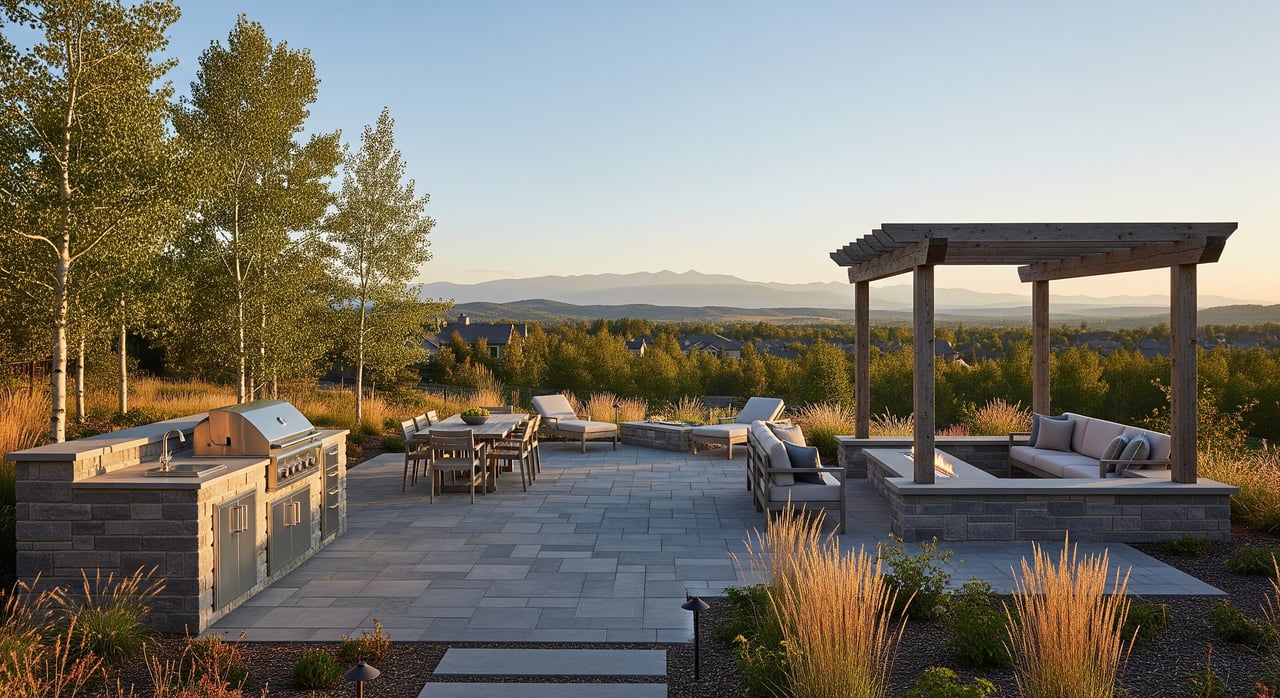
Thinking about an outdoor project before you list your Highlands Ranch home? The right upgrades can help your property stand out, feel turnkey, and photograph beautifully. The wrong ones can drain your budget or run into approvals and maintenance headaches. In this guide, you’ll learn which outdoor improvements local buyers love, how to align with approval rules and climate, and how to stage and time your updates for a cleaner, faster sale. Let’s dive in.
Why outdoor spaces sell in Highlands Ranch
Highlands Ranch is a master-planned community where most buyers expect usable outdoor living. Patios, decks, simple cooking zones, and low-maintenance yards show well and feel like an extra room. You live in Colorado for the sunshine and mountain air, so buyers here often prioritize easy outdoor dining and evening lounging.
Most neighborhoods have active associations and architectural controls. Before you plan anything, confirm community guidelines and approval steps with your HOA. You can start with the Highlands Ranch Community Association for resources and contacts on architectural reviews at HRCA’s website.
Highlands Ranch is unincorporated and falls under Douglas County for permits and inspections. Structural work like decks, certain retaining walls, gas lines for fire features, and outdoor kitchen utilities typically require permits. You can verify thresholds and steps through Douglas County Community Development.
Local climate matters too. Our semi-arid, high-elevation weather brings strong sun, freeze-thaw cycles, and snow. Choose materials that handle UV, temperature swings, and drainage. For climate context and planning, review regional data from NOAA.
High-impact upgrades buyers want
Patios and covered patios
A well-scaled patio makes your yard feel like an extension of your living room. Interlocking pavers and stamped or colored concrete are popular because they are durable and visually clean. Pavers offer easier repairs and better drainage, while concrete can be cost-effective for larger footprints.
If you can add cover, even a simple pergola with a solid roof or shade elements, you extend seasonal use and improve listing photos. Make sure grading moves water away from the home and that materials are rated for freeze-thaw cycles. Sealing and occasional maintenance keep surfaces looking fresh.
Decks with durable materials
On sloped lots, a deck can be the most practical way to create level, usable space. Composite products are favored for low maintenance and long-term appearance. Wood is less expensive up front but needs regular staining and sealing to look its best.
Permits and inspections are common for decks, and design details like proper footings, railings, and load ratings matter. Match the size and finish quality to neighborhood standards. A clean, sturdy deck that connects to the yard or captures views can be a strong selling feature.
Outdoor kitchens and covered seating
Buyers respond to simple, functional cooking setups. Think built-in grill, counter space, and sheltered seating rather than a sprawling chef’s station. Mid-range, thoughtfully designed features tend to show better on resale than oversized installations that outpace the neighborhood.
If you are adding gas, electric, or water, plan for proper permits and weatherproofing. Durable materials and a cover improve year-round usability. Keep layouts efficient, with smart storage, lighting, and wind protection.
Fire features that extend evenings
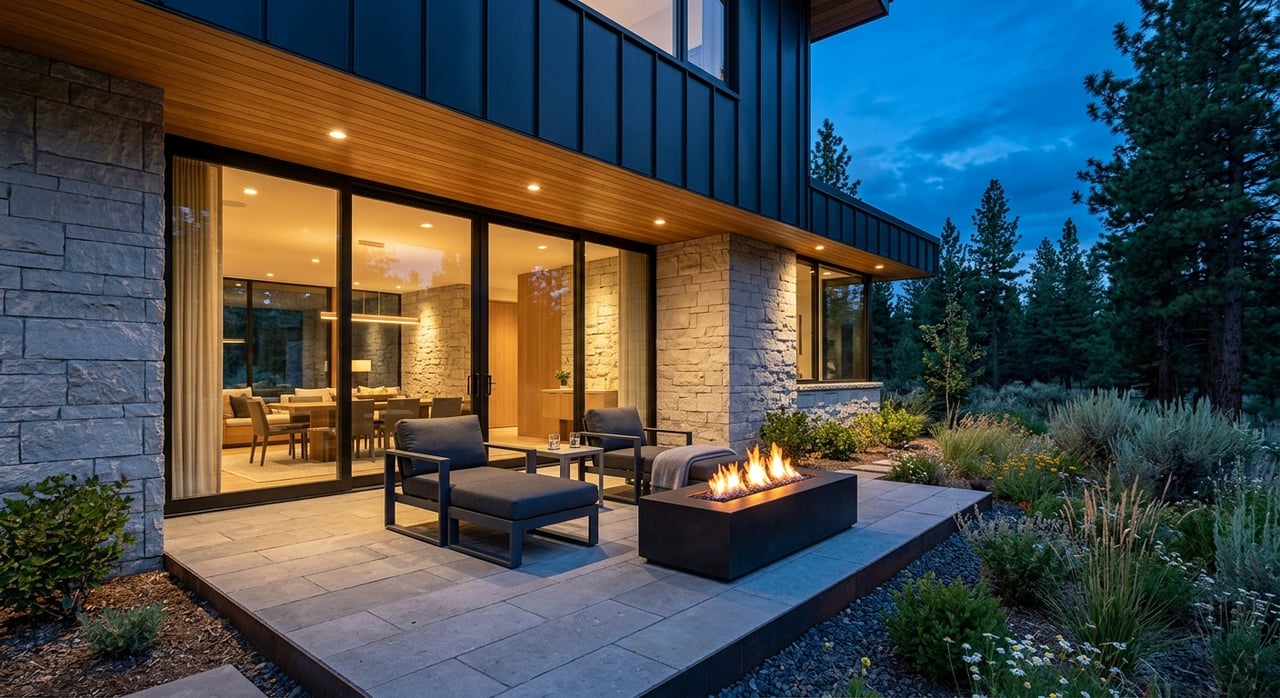
Gas fire pits and outdoor fireplaces add ambiance and extend spring and fall use. Gas units are popular because they are easy to control and low maintenance. If you plan a hard-plumbed gas line or masonry unit, expect to verify permit needs and safety clearances.
Open flame features can be subject to seasonal rules. Always check local safety guidance and burn restrictions with Douglas County before you install or use a fire feature.
Lighting and power for usability
Good lighting makes outdoor spaces feel safe, stylish, and practical. Low-voltage LED path lights, step lights, and soft accent lighting around seating areas look great in photos and during showings. Add exterior outlets where they make sense for cooking, heaters, or entertainment.
LED fixtures are long-lived, and smart transformers or timers keep energy use in check. Highlight key elements like the entry, the main patio or deck, and any significant landscape features.
Water-wise irrigation and drainage
Efficient irrigation is a real selling point in Colorado. Smart controllers and drip systems reduce water waste and keep plantings healthy through summer. Proper grading and drains also help manage snowmelt and heavy rain so you don’t have standing water near the foundation.
For best practices on xeriscape and water-wise planting strategies, explore guidance from Colorado State University Extension. For statewide water planning context and conservation programs, consult the Colorado Water Conservation Board.
Smarter turf and plantings
Most buyers want a balance: some grass for play or pets paired with low-maintenance beds. Drought-tolerant grasses, ornamental varieties, and native perennials reduce mowing and watering. In many yards, trimming lawn size and adding mulch or decorative gravel around beds creates a clean, modern look that is easier to maintain.
If you consider synthetic turf, verify HOA rules and scale the install to the yard. Planting native or adapted species aligns well with our climate and water goals. Aim for a tidy, cohesive palette that frames your hardscape and highlights the home’s architecture.
Privacy, shade, and fencing
Privacy raises comfort and can make smaller lots feel more like an outdoor room. Options range from evergreen shrubs and trellised vines to slatted screens that match your fence style. When selecting fencing or screens, check community covenants for approved styles and colors.
Shade is valuable during hot summer afternoons. Pergolas, shade sails, or a covered patio help control sun exposure and reduce glare for indoor spaces. Choose low-maintenance materials and be mindful of wind loads and snow shedding.
Hot tubs vs pools
Hot tubs have broad appeal because they offer a simple, compact luxury with reasonable upkeep. They also stage nicely and can be a memorable feature during showings. If you plumb gas or run dedicated electrical, confirm permit requirements.
Pools are more polarizing. Installation and maintenance costs are high, and not every buyer wants them. In Highlands Ranch, pools are niche—consider neighborhood norms and the target buyer before you invest.
Rules, permits, and approvals
- HOA and ARC approvals: Most neighborhoods require architectural approval for items like decks, fences, and some hardscapes. Start with your community resources via the Highlands Ranch Community Association and follow your specific HOA’s process. Get written approval before you begin.
- County permits: Structural work, major retaining walls, gas lines, and outdoor kitchen utilities typically require permits and inspections. Confirm details with Douglas County Community Development and your contractor.
- Fire safety: Open-flame features can be affected by seasonal burn restrictions and safety rules. Review local guidance through Douglas County and your fire district.
- Water use: Summer watering rules often apply. Smart controllers and drought-tolerant plantings help you comply and lower utility costs. See statewide conservation resources at the Colorado Water Conservation Board.
- Climate-proofing: Choose frost-resistant materials, proper footings, and UV-stable finishes. Plan drainage for snowmelt and heavy rain. Regional climate data from NOAA can inform design decisions.
ROI and right-sizing your budget
Industry research points to strong buyer appeal for practical outdoor projects like patios, decks, landscape upgrades, and exterior lighting. Annual Cost vs Value data provides helpful comparisons across project types, scope, and finishes. For national benchmarking on cost recoupment and project trends, review the Remodeling Magazine Cost vs Value reports.
Buyer preference surveys also show consistent interest in functional outdoor space, curb appeal, and low-maintenance yards. Explore consumer trends and insights through the National Association of Realtors. Keep in mind that actual returns vary by neighborhood, execution quality, and market timing. In Highlands Ranch, mid-range, well-finished projects that match community standards tend to show best.
Your pre-list checklist
- Confirm HOA covenants and submit architectural requests for new work.
- Verify county permit needs for decks, utilities, and structural changes.
- Prioritize upgrades that create immediate usable space: a clean patio, a composite deck, or a covered seating area.
- Install a smart irrigation controller, tune zones, and address drainage near the foundation.
- Clean and seal hardscape; power wash walkways; refresh mulch and trim plantings.
- Ensure landscape and pathway lighting is working and set on timers.
- For higher-cost upgrades, organize permits, warranties, and invoices to share with buyers.
Staging and timing tips
Stage your patio or deck with right-size furniture to show how the space lives. Add outdoor pillows, lanterns, and a textured rug to warm up listing photos. In twilight shots, switch on landscape and string lighting for a welcoming glow.
Show year-round usability. A gas fire feature for cool evenings, or a covered patio for midday sun, helps buyers picture life in each season. For scheduling, spring and early summer work well for landscaping and paint, while late spring through summer is ideal for patios, decks, and outdoor kitchens.
When to skip or scale back
Overbuilding can miss the mark. An oversized, luxury outdoor kitchen that far exceeds neighborhood norms may not recoup its cost. Likewise, a new pool can limit your buyer pool and add maintenance concerns for prospects who prefer low upkeep.
If you are preparing to sell within a year, focus on high-visibility, mid-range projects with clear daily value. Clean design, durable materials, and water-wise landscaping usually deliver stronger interest than niche or overly customized installations.
Ready to plan your sale?
If you want a tailored plan for your property, let’s walk your yard together and map upgrades that fit your price point, timeline, and buyer profile. For boutique, white-glove guidance rooted in local expertise, connect with Ashley Behrens for a Private Consultation.
FAQs
What outdoor upgrades have the widest appeal in Highlands Ranch?
- Patios or composite decks, low-voltage LED lighting, water-wise landscaping with smart irrigation, and a modest gas fire feature tend to attract the most buyers.
Do I need HOA approval before building a deck or patio?
- Most neighborhoods require architectural approval for exterior changes. Start with your HOA and the Highlands Ranch Community Association to confirm submittal steps.
When are permits required for outdoor projects in Douglas County?
- Structural work like decks, certain retaining walls, gas lines, and outdoor kitchen utilities typically need permits and inspections through Douglas County Community Development.
How can I make my landscaping more water-efficient for buyers?
- Use a smart controller, convert beds to drip irrigation, and select drought-tolerant or native plants using guidance from Colorado State University Extension.
Are outdoor fire pits allowed in Highlands Ranch?
- Gas units are common, but open flames can be subject to seasonal rules. Confirm safety guidelines and any restrictions with Douglas County and your fire district.
What’s the best time of year to complete outdoor updates before listing?
- Aim for spring and early summer for landscaping, with late spring through summer for patios, decks, and outdoor kitchens. Fall can be ideal for planting drought-tolerant species to establish before winter.